
AI business assistant · Capabilities
Research and fact-checking for business decisions
How an AI business assistant finds current information, compares sources and prepares evidence-based conclusions for practical decisions.
Short answer
The assistant can find current public information, compare several sources and distinguish confirmed facts from inference. The result can support a software choice, a market overview or a check before a business decision. The exact workflow depends on the connected service, available source data and permissions configured for the business.
When current web research is useful
Research is valuable when information changes, including prices, service rules, feature availability, contact details, market offers and industry news.
How to build an answer that can be checked
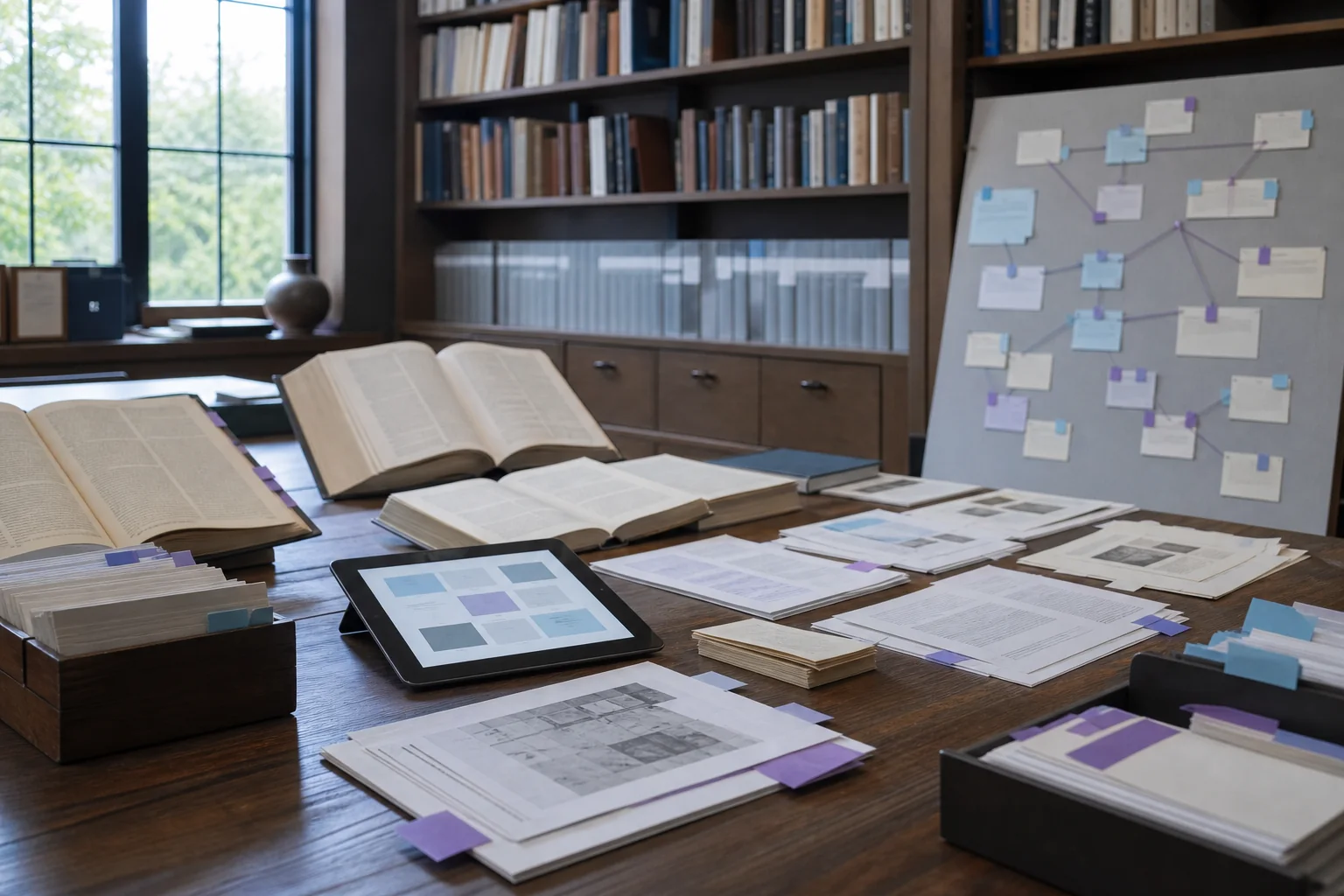
Instead of relying on memory, the assistant searches primary or authoritative sources, compares dates and places links close to the conclusions they support.
- Separates a sourced fact from an inference.
- Shows when sources disagree or evidence is insufficient.
- Does not replace a qualified professional in legal, medical or financial matters.
ValueSpace
Business work, clearly controlled
Practical research tasks for an owner
Compare solutions, collect integration requirements, verify a partner's public information or prepare the evidence base for an expert article.
How this works in ValueSpace
ValueSpace supports the workflow described in “Research and fact-checking for business decisions” within the available data, connection and permissions. The visible result and approval boundary remain part of the same reviewable task.
- Research is valuable when information changes, including prices, service rules, feature availability, contact details, market offers and industry news.
- Instead of relying on memory, the assistant searches primary or authoritative sources, compares dates and places links close to the conclusions they support.
- Compare solutions, collect integration requirements, verify a partner's public information or prepare the evidence base for an expert article.
- A real question you need to investigate.
- A list of preferred or mandatory sources.
- The acceptable limits for conclusions in your sector.
Continue with Spreadsheet, calculation and report analysis for business.
Frequently asked questions
The assistant can find current public information, compare several sources and distinguish confirmed facts from inference. The result can support a software choice, a market overview or a check before a business decision. The exact workflow depends on the connected service, available source data and permissions configured for the business.
What to prepare for a practical test
Use safe real examples, current source material and the current limits of the capability.
- A real question you need to investigate.
- A list of preferred or mandatory sources.
- The acceptable limits for conclusions in your sector.